How To Design A Rental Apartment
A practical step-by-step guide to how to design a rental apartment, including preparation, instructions, common issues, tips, and next steps.
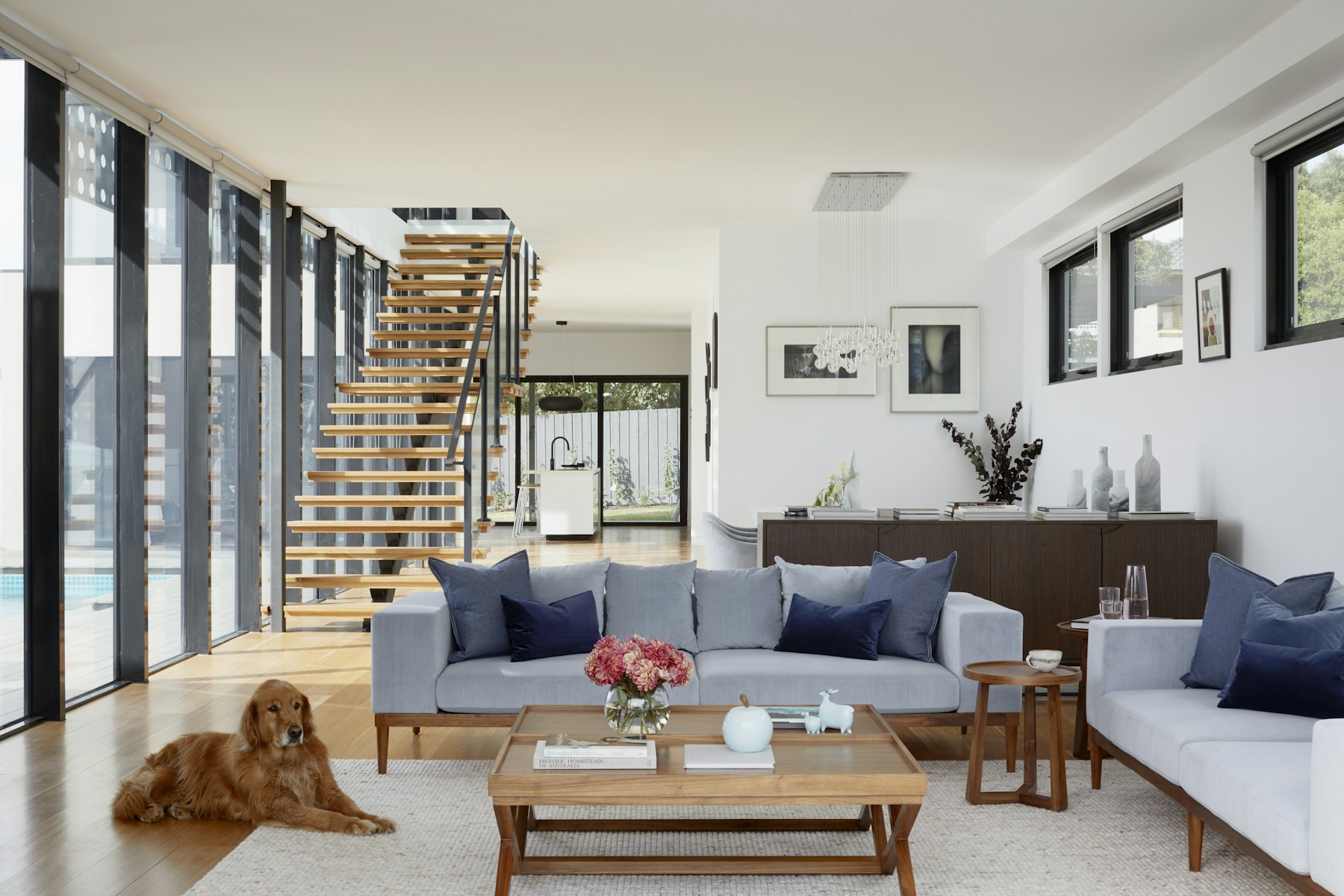
How To Design A Rental Apartment
Designing a rental apartment means creating a space that looks great, lasts long, and appeals to a wide range of potential tenants. This guide will help you plan your design choices from start to finish, ensuring your property stands out in the market while being practical and easy to maintain. It covers everything from understanding your budget to picking durable materials and meeting important safety rules, making the design process smoother for landlords and property managers across Great Britain.
Fast Answer
- Key Principle: Durability & Broad Appeal
- Main Focus: Practicality & Low Maintenance
- Initial Check: Budget & Local Regulations
Before You Start
- Property Details: Full address, floor plans (if available), current photos, and any existing property reports.
- Budget Outline: A clear idea of how much you can spend on the design and refurbishment, including a contingency fund.
- Target Tenant Profile: Understand who you want to rent to (e.g., students, young professionals, families) as this will guide your design choices.
- Local Tenancy Laws & Regulations: Research specific legal requirements in your area regarding rental properties, including safety certificates and energy performance.
- Measuring Tape & Notebook: Essential for accurate measurements and jotting down ideas during initial visits.
- Camera or Smartphone: For documenting the current state of the apartment and tracking progress.
Step-by-Step Instructions
1. Define Your Goals and Target Market
Before choosing any paint colours or furniture, clearly understand what you want to achieve with this rental property. Are you aiming for high rental yield, quick tenancy, or a specific type of tenant? Your target market will heavily influence your design choices. For example, young professionals might value a sleek, modern kitchen and strong internet connectivity, while families might prioritise durable flooring and good storage.
Consider your budget carefully. Decide how much you are willing to invest and what return you expect. This will help you make realistic choices about the quality of materials and finishes. Research local rental prices for similar properties to ensure your design choices align with what tenants are willing to pay in your area.
2. Thoroughly Assess the Existing Space
Walk through the apartment with a critical eye, documenting every detail. Take precise measurements of all rooms, including wall lengths, ceiling heights, window dimensions, and door frames. Note the location of power outlets, light fittings, radiators, and plumbing connections.
Take clear photos or videos of every room from multiple angles. Pay close attention to the current condition of floors, walls, ceilings, and existing fixtures. Identify any structural issues, damp, mould, or damage that needs addressing before any cosmetic design work begins. This assessment forms the basis for your design plan and helps prevent unexpected costs later on.
3. Plan Layout and Functionality for Flow
Think about how tenants will move through and use each space. A good layout makes an apartment feel larger, more comfortable, and more practical. Consider creating distinct zones within open-plan areas for living, dining, and potentially a workspace. Ensure there's enough room around furniture for easy movement.
Focus on functionality. For example, in the kitchen, ensure there's adequate worktop space, storage, and logical placement for appliances. In bathrooms, check that shower doors and cabinet doors can open fully without obstruction. Good planning at this stage saves future headaches for tenants and reduces wear and tear.
4. Select Durable and Low-Maintenance Materials
For rental properties, durability and ease of cleaning are paramount. Choose materials that can withstand frequent use and are simple to maintain between tenancies. For flooring, consider laminate or vinyl planking in living areas for their resilience and water resistance, or short-pile carpets in bedrooms for warmth and sound insulation. Avoid plush, high-pile carpets which trap dirt easily.
For walls, use good quality, scrubbable matt or eggshell paint in neutral tones. This allows for easy touch-ups and can be wiped clean. In kitchens and bathrooms, opt for robust, easy-to-clean surfaces like tiled splashbacks and laminate or compact laminate worktops. These choices will save on repair and replacement costs in the long run.
5. Choose Hardwearing Fixtures and Fittings
Invest in quality fixtures and fittings that are built to last. For kitchens, simple, functional cabinets with sturdy handles are best. Choose appliances from reputable brands known for reliability, ensuring they come with suitable warranties. Stainless steel or white finishes are generally appealing and easy to clean.
In bathrooms, opt for good quality ceramic sanitaryware and robust chrome taps. Wall-mounted vanity units can free up floor space and make cleaning easier. For lighting, use simple, energy-efficient LED fixtures that provide good illumination. Avoid overly complex or delicate light fittings that might break easily. Remember that all electrical work must comply with current UK safety standards and be carried out by a qualified electrician.
6. Implement a Cohesive, Neutral Colour Scheme
Neutral colours are your best friend for rental properties. Shades of white, grey, beige, and light greige provide a clean, modern backdrop that appeals to a wide variety of tastes. This allows tenants to easily personalise the space with their own belongings without clashing with the existing decor.
A neutral base also makes the apartment feel brighter and more spacious. To add warmth and character, you can introduce subtle texture through fabrics (if furnishing) or consider a very light accent colour on a single feature wall, but always keep it subtle. The goal is to create a calm, inviting atmosphere that doesn't dictate a specific style.
7. Consider Furniture and Appliances (If Furnishing)
If you're offering a furnished apartment, select furniture that is robust, practical, and proportionate to the room size. Avoid oversized pieces that make rooms feel cramped. Choose simple, clean-lined designs that are easy to clean and resist wear. Fabrics should be durable and stain-resistant.
Ensure all upholstered furniture complies with the Furniture and Furnishings (Fire Safety) Regulations 1988 (as amended). Provide essential appliances such as an oven/hob, fridge-freezer, and washing machine. If space allows, a dishwasher can be a valuable addition, especially for professional tenants. Always check that appliances are energy-efficient to help tenants with utility costs and improve the property's EPC rating.
8. Plan for Smart Storage Solutions
Adequate storage is a major selling point for tenants. Look for opportunities to integrate storage wherever possible. Built-in wardrobes in bedrooms are highly desirable, as are floor-to-ceiling shelving units in living areas or hallways. Think about clever solutions like storage beds or ottoman coffee tables if furnishing.
In kitchens, maximise cabinet space and consider adding pantry units. In bathrooms, ensure there's storage for toiletries and towels, perhaps with a wall-mounted cabinet or under-sink unit. A designated airing cupboard or utility cupboard is also highly valued for household items and laundry. Good storage helps keep the apartment tidy and organised.
9. Review and Ensure Regulatory Compliance
This is a critical step. Before advertising or letting your property, you must ensure it meets all legal and safety requirements in the UK. This includes having valid certificates for:
- Gas Safety Certificate (CP12): Annual check by a Gas Safe registered engineer.
- Electrical Installation Condition Report (EICR): Every 5 years by a qualified electrician.
- Smoke Alarms: Fitted on every storey used as living accommodation.
- Carbon Monoxide Alarms: Fitted in any room with a fixed combustion appliance (e.g., boiler, log burner).
- Energy Performance Certificate (EPC): Valid for 10 years, with a minimum rating of E for new tenancies (check for future changes).
- Fire Safety: Ensure clear escape routes, fire doors where required, and fire-retardant furnishings.
Failing to comply with these regulations can result in significant fines, invalidate insurance, and endanger tenants. Always keep these certificates readily available.
10. Create a Detailed Budget and Timeline
With your design plan finalised and materials selected, compile a comprehensive budget. List all expected costs, including materials, labour (if hiring professionals), appliances, and any statutory fees or certificates. Always add a 10-15% contingency fund for unexpected issues that often arise during renovation projects.
Develop a realistic timeline for the project, breaking it down into phases (e.g., demolition, structural work, plastering, painting, fitting). This helps manage expectations and ensures the project stays on track. Keep all receipts and documentation for tax purposes and future reference. A well-managed budget and timeline are key to a successful and stress-free design and renovation.
Quick Reference
| Situation | Use this | Why |
|---|---|---|
| High-traffic areas (hallways, living rooms) | Durable laminate or vinyl plank flooring | Resists wear, easy to clean, water-resistant. |
| Small rooms or limited natural light | Light, neutral wall colours (off-white, light grey) | Makes space feel larger and brighter, broad appeal. |
| Kitchen worktops | Laminate or compact laminate | Cost-effective, good durability, variety of finishes, easy to maintain. |
| Bathroom surfaces | Large format ceramic or porcelain tiles | Waterproof, easy to clean, fewer grout lines mean less mould. |
| Walls needing frequent touch-ups | Washable matt or eggshell paint | Allows for easy cleaning and minor repairs without repainting the whole room. |
| Furnished bedrooms | Simple, sturdy bed frames and wardrobes | Withstands use, provides essential storage, easy to move for cleaning. |
| Ensuring tenant safety | Annual Gas Safety, 5-year EICR, smoke/CO alarms | Legal requirement, protects tenants, avoids penalties. |
Common Problems When You Design a Rental Apartment
Even with careful planning, some common issues can crop up when designing a rental property. Being aware of these can help you avoid them:
- Overspending on Trends: While tempting to follow the latest design fads, highly specific or overly trendy designs can quickly look dated and may not appeal to a wide range of future tenants. Stick to timeless, neutral aesthetics.
- Ignoring Durability: Choosing cheap, low-quality materials or finishes to save money upfront often leads to higher repair and replacement costs down the line. Rental properties experience more wear and tear than owner-occupied homes.
- Neglecting Storage: Lack of adequate storage is a frequent complaint from tenants. Underestimating the need for wardrobes, cupboards, and utility space can make an otherwise well-designed apartment feel impractical.
- Poor Lighting: Insufficient or poorly planned lighting can make rooms feel dark and uninviting. Relying on a single ceiling light per room is often not enough; consider task and ambient lighting.
- Forgetting About Sound: In apartment blocks, noise can be a significant issue. Forgetting about sound insulation for floors, walls, and even windows can lead to tenant complaints.
- Not Checking Regulations: Failing to get the necessary safety certificates (Gas Safety, EICR, EPC) or ensure fire safety compliance is not just a problem, it's illegal and highly risky.
- Lack of Professional Cleaning: Presenting an apartment that isn't professionally cleaned to a high standard can give a poor first impression and suggest lower overall quality.
Advanced Tips for How To Design A Rental Apartment
Once you've mastered the basics, consider these advanced strategies to make your rental apartment truly exceptional and competitive:
- Prioritise Energy Efficiency: Beyond the basic EPC, consider upgrading insulation, installing smart thermostats, and choosing A-rated appliances. This reduces utility bills for tenants, making your property more attractive and potentially increasing its value.
- Integrate Smart Home Features: Simple smart home tech, such as smart thermostats, video doorbells, or even smart lighting, can be a major draw for modern tenants. Ensure they are easy to use and reset between tenancies.
- Focus on Soundproofing: Especially for apartments in busy areas or multi-unit buildings, investing in improved sound insulation (e.g., acoustic underlay for flooring, secondary glazing, solid core doors) can significantly enhance tenant comfort and retention.
- Add a Dedicated Workspace: With the rise of remote work, a small, well-designed area for a desk – even a fold-down one – can make a huge difference. Ensure good lighting and access to power sockets.
- Outdoor Space Enhancement: If the apartment has a balcony or small patio, make it inviting. Add simple, low-maintenance outdoor flooring, and consider built-in planters or a small, robust outdoor seating area.
- Professional Photography Prep: Once designed and fully cleaned, invest in professional photography. High-quality images showcasing the apartment's best features will generate more interest and command better rents.
- Consider Integrated Storage Solutions: Move beyond basic wardrobes. Think about built-in cupboards under stairs (if applicable), window seats with storage, or bespoke joinery that makes the most of awkward spaces.
- Embrace Sustainability: Tenants are increasingly conscious of environmental impact. Using recycled materials, low VOC paints, and water-saving fixtures can be a selling point.
How To Design A Rental Apartment FAQ
Here are answers to some common questions about designing rental properties:
Q: What colours are best for a rental apartment?
A: Neutral colours like off-whites, light greys, and soft beiges are generally best. They create a clean, spacious feel, appeal to a wide range of tenants, and are easy to touch up or repaint between tenancies.
Q: Should I furnish a rental apartment?
A: It depends on your target market. Fully furnished apartments often appeal to young professionals, students, or corporate lets, especially in city centres. Unfurnished properties might attract families or those with their own furniture. Research local demand in your area.
Q: How much should I budget for design and renovation?
A: This varies hugely based on the size of the apartment, its current condition, and your chosen level of finish. As a rough guide for a full refurbishment, you might expect to spend anywhere from £500 to £1,500+ per square metre. Always get multiple quotes and include a 10-15% contingency fund.
Q: What's the most important room to focus on?
A: The kitchen and bathroom often have the biggest impact on tenant appeal and potential rental value. Investing in durable, functional, and aesthetically pleasing kitchens and bathrooms provides excellent returns.
Q: How can I make a small rental apartment feel bigger?
A: Use light, neutral colours on walls, floors, and ceilings. Maximise natural light with sheer curtains or blinds. Choose furniture that is proportionate to the space and consider multi-functional pieces. Incorporate clever, vertical storage to keep clutter at bay.
Q: Are carpets suitable for rental properties?
A: Low-pile, durable carpets can be suitable for bedrooms for warmth and sound insulation. However, for high-traffic areas like living rooms and hallways, hard flooring like laminate or vinyl planking is often preferred due to its durability and ease of cleaning.
Q: How often should I redecorate a rental property?
A: Generally, redecorating (painting and minor repairs) every 3-5 years is a good practice to keep the property looking fresh and well-maintained. Deep cleaning should be done between every tenancy.
Final Checklist for How To Design A Rental Apartment
- Goals & Budget Defined: Clear understanding of investment, return, and target tenant.
- Space Assessed: All measurements and existing conditions documented.
- Layout Planned: Functional and efficient room layouts considered for flow.
- Materials Chosen: Durable, low-maintenance finishes for flooring, walls, and worktops selected.
- Fixtures Selected: Hardwearing and reliable kitchen/bathroom fixtures and appliances.
- Colour Scheme Set: Cohesive and neutral palette applied throughout.
- Furniture & Appliances (If applicable): Robust, compliant, and energy-efficient items chosen.
- Storage Planned: Ample and smart storage solutions integrated.
- Regulatory Compliance Checked: All safety certificates (Gas, Electrical, EPC) and fire safety in place.
- Detailed Budget & Timeline: Comprehensive financial plan with contingency and project schedule.
- Professional Cleaning Booked: Ensure property is immaculate before tenant viewing/move-in.
- Insurance Updated: Landlord insurance is current and covers rental specific risks.
What should I check before acting on advice about how to design a rental apartment?
Use this guide as a starting point, compare current specifications and costs, and check the details that apply to your own situation before making a purchase or booking.
Where can I find related small-spaces-storage guidance?
Browse the related guides in this section for practical comparisons, planning notes, and next steps that support the same decision.