How To Design A Calm Bedroom
A practical step-by-step guide to how to design a calm bedroom, including preparation, instructions, common issues, tips, and next steps.
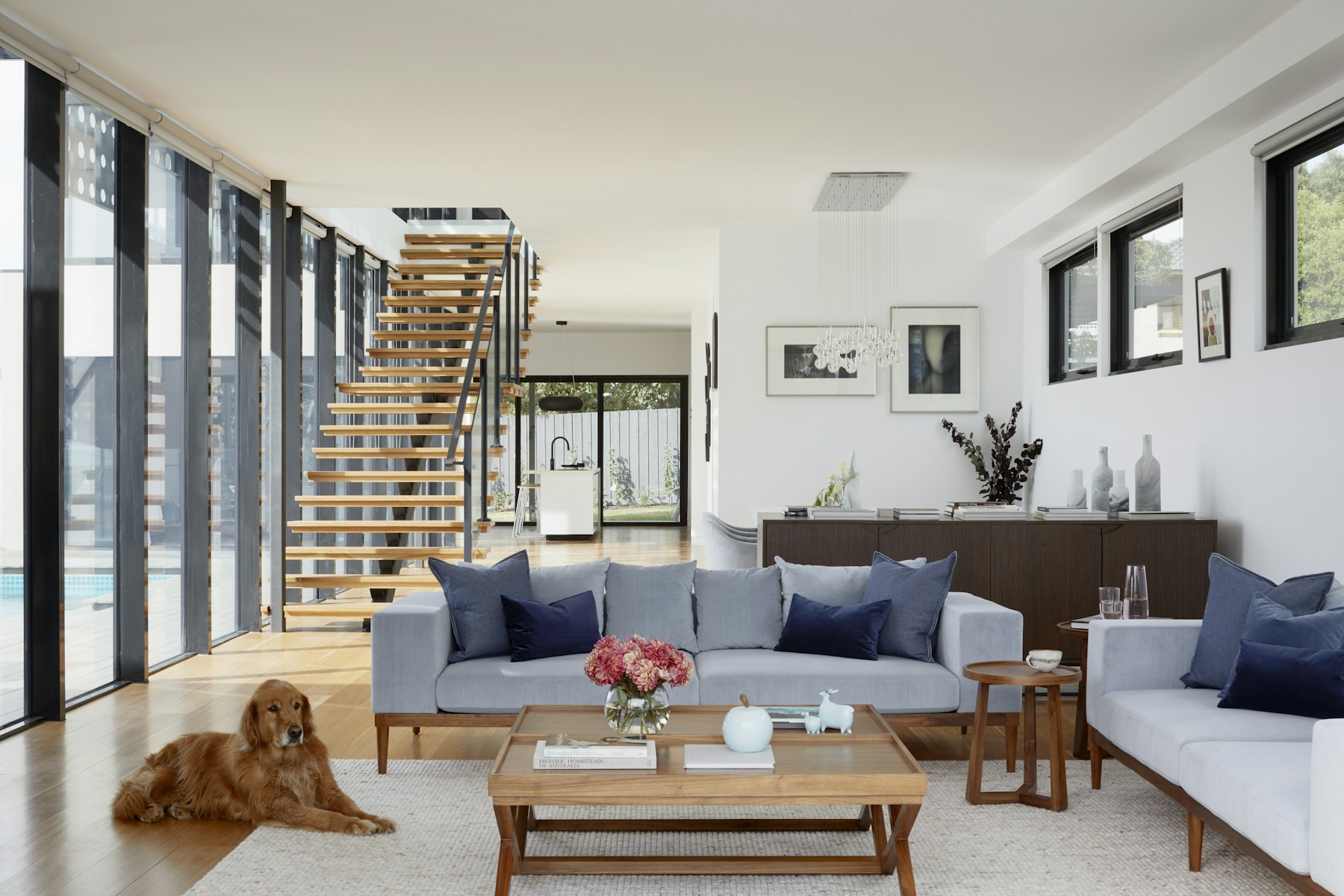
How To Design A Calm Bedroom
A calm bedroom is essential for good sleep and overall well-being. This guide explains how to design a calm bedroom by focusing on key elements like colour, lighting, layout, and decluttering. Follow these steps to create a serene sanctuary that supports rest and relaxation, transforming your personal space into a haven from daily stress.
Fast Answer
- Key elements: Soothing colour palette, layered lighting, minimal clutter, soft textiles.
- Main goal: Promote deep relaxation and restorative sleep.
- Focus on: Creating visual peace and sensory comfort.
Before You Start
Before you begin the process to design a calm bedroom, it's wise to gather a few items and conduct some initial checks. This preparation will help you plan effectively and avoid rework later on.
- Measuring tape: Essential for planning furniture layout and understanding space.
- Notepad and pen: For sketching ideas, making lists, and noting down measurements.
- Inspiration images: Collect pictures of calm bedrooms you admire to help define your style.
- Colour swatches: Obtain physical paint and fabric samples to see how they look in your room's light.
- Light bulb samples: Test different colour temperatures (warm white, cool white) to see their effect.
- Budget planner: Outline what you're willing to spend on paint, furniture, and accessories.
- Existing furniture inventory: Decide what to keep, remove, or repurpose.
Consider the primary purpose of your bedroom beyond just sleeping. Do you read, work, or exercise in this space? While the goal is calm, practical needs must also be addressed, ideally by creating distinct, visually separated zones.
Step-by-Step Instructions
Creating a calm bedroom is about more than just aesthetics; it's about crafting an environment that supports relaxation and rest. Follow these practical steps to design a calm bedroom that serves as your personal sanctuary.
1. Assess Your Current Space and Needs
Before making any changes, take time to truly understand your existing bedroom. Stand in the doorway and observe what you see and feel. What immediately causes stress or visual clutter? Consider the current colour scheme, furniture arrangement, and how easily you can move around the room.
Think about your daily routine. What bothers you when you wake up or go to sleep? Is there too much light from outside, distracting noise, or items that remind you of tasks? Make a list of these pain points. Also, reflect on what you truly need from your bedroom. Is it just for sleeping, or do you also enjoy reading, meditating, or gentle exercise here? Your personal needs will guide your design choices.
2. Choose a Calming Colour Palette
Colour has a profound psychological effect. For a calm bedroom, opt for colours known to induce relaxation and peace. Generally, this means soft, muted tones. Consider cool colours like gentle blues, greens, and lavenders, which are often associated with nature and tranquillity.
Neutral shades such as warm greys, soft whites, and creams also work wonderfully as a base, providing a clean, uncluttered feel. If you prefer warmer tones, choose muted versions like dusty rose or a soft terracotta. Limit your main palette to **two or three primary colours** to maintain cohesion and prevent visual overload. Use one dominant colour for walls, a secondary for larger textiles, and an accent for smaller decorative items.
3. Master Lighting for Serenity
Lighting is one of the most powerful tools when you design a calm bedroom. Avoid harsh overhead lights as the primary source. Instead, aim for layered lighting that offers flexibility and warmth. Start with a main ambient light, ideally with a **dimmer switch** to adjust intensity. Then, add task lighting like bedside lamps for reading, and accent lighting such as wall sconces or a subtle floor lamp to highlight specific areas or create mood.
Choose light bulbs with a warm colour temperature, typically between **2700K and 3000K (Kelvin)**, which emit a soft, yellowish glow similar to candlelight or a sunset. Maximise natural light during the day, but ensure you have effective blackout curtains or blinds for complete darkness at night to aid sleep. Smart lighting systems can offer programmed transitions for winding down.
4. Optimise Layout and Furniture Placement
A calm bedroom often feels spacious and easy to navigate. Begin by positioning your bed, as it is the room's focal point. Ideally, place it against the longest wall, allowing space for bedside tables on either side. Ensure there's enough room to walk around the bed comfortably – aim for at least **60-70cm (24-28 inches)** of clear space on each side.
Only include essential furniture: bed, bedside tables, and perhaps a wardrobe or chest of drawers. If you have a desk or exercise equipment, try to visually separate it from the sleeping area, perhaps with a screen or by placing it in a less prominent corner. Avoid placing furniture directly in front of windows or blocking radiators, as this can impede light and heat flow.
5. Declutter Ruthlessly and Organise Smartly
Clutter is a primary enemy of calm. Begin by removing anything that doesn't belong in the bedroom or doesn't contribute to its serene purpose. This includes work documents, exercise gear (unless it's neatly stored), laundry, and excessive decorative items. Go through drawers and wardrobes, donating or discarding items you no longer need or use.
Once decluttered, invest in smart, hidden storage solutions. Choose a bed with built-in drawers, use attractive storage boxes that slide under the bed, or opt for a wardrobe with internal compartments. Display only a few meaningful items, rotating them periodically if you have many. The goal is to minimise visual noise, making the room feel open and breathable.
6. Select Soothing Textiles and Textures
The feel of your bedroom is just as important as how it looks. Choose textiles that invite comfort and softness. Opt for natural materials like **cotton, linen, wool, or bamboo** for bedding, curtains, and rugs. These materials are breathable and offer a pleasant tactile experience.
Layering is key to creating a cosy, calm bedroom. Start with soft bed sheets, add a comforting duvet, and top with a throw or blanket. Use plush pillows and cushions. For window treatments, combine sheer curtains for diffused light during the day with heavier, lined curtains for privacy and darkness at night. A soft rug underfoot adds warmth, reduces noise, and grounds the space.
7. Integrate Gentle Scents and Sounds
Beyond sight and touch, our other senses play a significant role in creating a calm environment. Introduce subtle, relaxing scents using essential oil diffusers, linen sprays, or natural candles. Scents like **lavender, chamomile, sandalwood, or bergamot** are known for their calming properties. Avoid overpowering or artificial fragrances.
Address sound by reducing noise pollution. If external noise is an issue, consider heavy curtains, draught excluders for doors, or even secondary glazing. Internally, soft furnishings like carpets and upholstered furniture help absorb sound. For winding down, a white noise machine or a speaker playing gentle nature sounds or calming music can block distractions and promote relaxation. Ensure any sound sources are discreet and don't become another source of clutter.
8. Personalise with Mindful Decor
While decluttering is important, a calm bedroom shouldn't feel sterile. Personal touches make a space feel inviting and uniquely yours. However, the key is mindful personalisation. Choose a few meaningful items that evoke positive emotions or memories, such as a treasured photograph (perhaps in a simple frame), a piece of art that brings you peace, or a small plant.
Avoid excessive wall hangings or collections of small trinkets, which can quickly become visual clutter. Instead, select one or two statement pieces that fit your serene colour scheme and overall aesthetic. A small, carefully chosen grouping of objects on a bedside table can be more impactful than a crowded shelf. Consider incorporating natural elements like a vase of fresh flowers (regularly changed) or a smooth stone as a paperweight.
9. Control Temperature and Air Quality
A crucial, yet often overlooked, aspect of a calm bedroom is the physical comfort provided by optimal temperature and air quality. The ideal bedroom temperature for most people is generally between **18°C and 21°C (64°F and 70°F)**. Ensure your heating system is working efficiently and consider investing in a good quality fan for warmer months if needed.
Good air quality supports healthy breathing and sleep. Regularly open windows for at least **10-15 minutes daily** to allow fresh air to circulate, even in winter. Dust surfaces frequently and vacuum carpets to remove allergens. Consider a small, quiet air purifier if you suffer from allergies or live in an area with poor air quality. Avoid bringing strong-smelling chemicals or cleaning products into the bedroom.
Common Problems When You Design A Calm Bedroom
Even with the best intentions, creating a serene bedroom can hit a few snags. Here are some common issues homeowners encounter and practical fixes to get your calm space back on track.
-
Over-designing or too many "calming" elements: Sometimes, the desire for calm leads to buying too many new items like diffusers, plants, throws, and decorative pieces, ironically creating clutter.
Fix: Step back and remove **at least 20%** of your decorative items. Focus on essential, high-quality pieces that truly bring you peace. Less is often more for visual calm.
-
Inconsistent lighting: Relying on a single harsh overhead light or having too many different light temperatures can prevent a cohesive, calming ambiance.
Fix: Invest in dimmer switches for all overhead lights. Ensure all bulbs in the bedroom are of a similar warm colour temperature (**2700K-3000K**). Add at least two secondary light sources, like bedside lamps, to create layers.
-
Ignoring hidden clutter: Drawers and wardrobes become dumping grounds, even if surfaces appear tidy. This mental clutter can still affect your sense of calm.
Fix: Dedicate a weekend to fully emptying and organising all storage areas. Use drawer dividers, wardrobe organisers, and clearly labelled boxes to give everything a home. If you haven't used something in a year, consider donating or discarding it.
-
Poor temperature control or stale air: Being too hot, too cold, or breathing stuffy air significantly impacts sleep quality and relaxation.
Fix: Check your thermostat settings and ensure radiators are not blocked. Install a ceiling fan if overheating is an issue, or consider a quiet space heater for cold spots. Make a habit of opening windows for **15 minutes each morning**, even in cooler weather, for fresh air circulation.
-
Bedroom doubling as a multi-purpose room without separation: If your bedroom is also your office, gym, or laundry room, the mental associations can be hard to switch off.
Fix: Create clear physical or visual separation for different zones. Use screens, strategically placed furniture, or even a different rug to define the 'work' area. When the workday is done, put away laptops and work-related items out of sight.
Advanced Tips for How To Design A Calm Bedroom
Once you've mastered the basics, consider these advanced strategies to elevate your bedroom's serenity and functional elegance. These tips integrate technology and deeper design principles to create a truly bespoke calm environment.
- Integrate Smart Home Automation: Beyond dimmers, consider a full smart lighting system that allows for programmed scenes. You could have a "wake up" scene that gradually brightens lights and opens smart blinds, and a "wind down" scene that dims lights, closes blinds, and even activates a gentle soundscape. Smart thermostats can also learn your preferences, ensuring your room is the perfect temperature when you enter.
- Invest in Soundproofing Solutions: If external noise remains an issue, explore more substantial soundproofing. This could include installing acoustic panels (which can be decorative), upgrading to thicker windows (double or triple glazing), or even adding extra insulation to walls. For internal noise, consider sound-dampening plasterboard during renovations or robust, insulated doors.
- Embrace Biophilic Design: Connect your bedroom to nature more deeply. This goes beyond a single plant. Think about natural wood finishes for furniture, large-scale nature-inspired artwork, or even a small indoor water feature for gentle ambient sound. Maximise views to greenery if possible, or create a window box with calming plants. Biophilic elements are proven to reduce stress and improve mood.
- Bespoke Built-in Storage: For ultimate decluttering and seamless aesthetics, consider custom-built wardrobes or shelving units. These can be designed to fit your room's exact dimensions, offering maximum storage efficiency and a flush, integrated look that reduces visual clutter. Incorporate internal lighting and smart compartments for easy access and organisation.
- Personalised Sleep Technology: Explore advanced sleep tech beyond a comfortable mattress. This might include smart mattresses that adjust firmness, cooling systems embedded in bedding, or wearable devices that track sleep patterns and offer personalised insights. Integrate these subtly so they enhance, rather than detract from, the calm aesthetic.
- Consider a Reading Nook or Meditation Zone: If space allows, dedicate a small corner to a specific calming activity. A comfortable armchair with a dedicated reading light, or a plush floor cushion for meditation, can create a powerful psychological cue for relaxation. Ensure this zone is distinct but flows with the rest of the room's serene design.
How To Design A Calm Bedroom FAQ
What colours are best for a calm bedroom?
How important is lighting in creating a calm bedroom?
Can I still have personal items in a calm bedroom?
What if I have a small bedroom?
How often should I refresh my calm bedroom design?
Are plants good for a calm bedroom?
Quick Reference
| Situation | Use this | Why |
|---|---|---|
| Room feels cluttered | Declutter and hide storage: Use under-bed drawers, wardrobe inserts, or lidded baskets. | Minimises visual noise and mental distraction, creating a sense of order. |
| Lighting is too harsh | Layered lighting with dimmers: Ambient, task, and accent lights with warm (2700K-3000K) bulbs. | Provides flexible, soft illumination that promotes relaxation and avoids glare. |
| Bedroom feels cold/uninviting | Soft, natural textiles: Layer cotton, linen, wool bedding, add a plush rug and curtains. | Adds warmth, texture, and acoustic dampening, making the space feel cosy and comforting. |
| Struggling to relax at night | Gentle scents & sounds: Lavender diffuser, white noise machine, or calming music. | Engages senses beyond sight to actively promote relaxation and block distractions. |
| Colours feel overwhelming | Muted, cool colour palette: Soft blues, greens, greys, or warm neutrals. | These colours are psychologically linked to peace, tranquillity, and reduced stress. |
Final Checklist for How To Design A Calm Bedroom
Before you consider your calm bedroom design complete, use this checklist to ensure you've covered all the essential elements for a truly serene space.
- Decluttering complete: All non-essential items removed or hidden in smart storage.
- Colour palette cohesive: Walls, bedding, and main accessories follow a soothing, limited colour scheme.
- Lighting layered and dimmable: Multiple light sources with warm bulbs, all with dimmer functionality.
- Natural light optimised: Maxised during the day, effectively blocked at night for sleep.
- Furniture arrangement thoughtful: Clear pathways, essential pieces only, bed as focal point.
- Textiles are soft and inviting: Natural materials used for bedding, curtains, and rugs.
- Scents and sounds considered: Gentle, natural fragrances and noise reduction or calming ambient sounds.
- Personal touches minimal and meaningful: Only a few cherished items on display.
- Temperature and air quality controlled: Room kept between **18°C-21°C** with regular ventilation.
- No work-related items in sight: Bedroom is a dedicated relaxation zone.
By carefully addressing each of these points, you will successfully design a calm bedroom that supports your well-being and offers a peaceful retreat for years to come. Remember, the goal is not perfection, but a space that genuinely feels restorative to you.