How To Choose Window Treatments
A practical step-by-step guide to how to choose window treatments, including preparation, instructions, common issues, tips, and next steps.
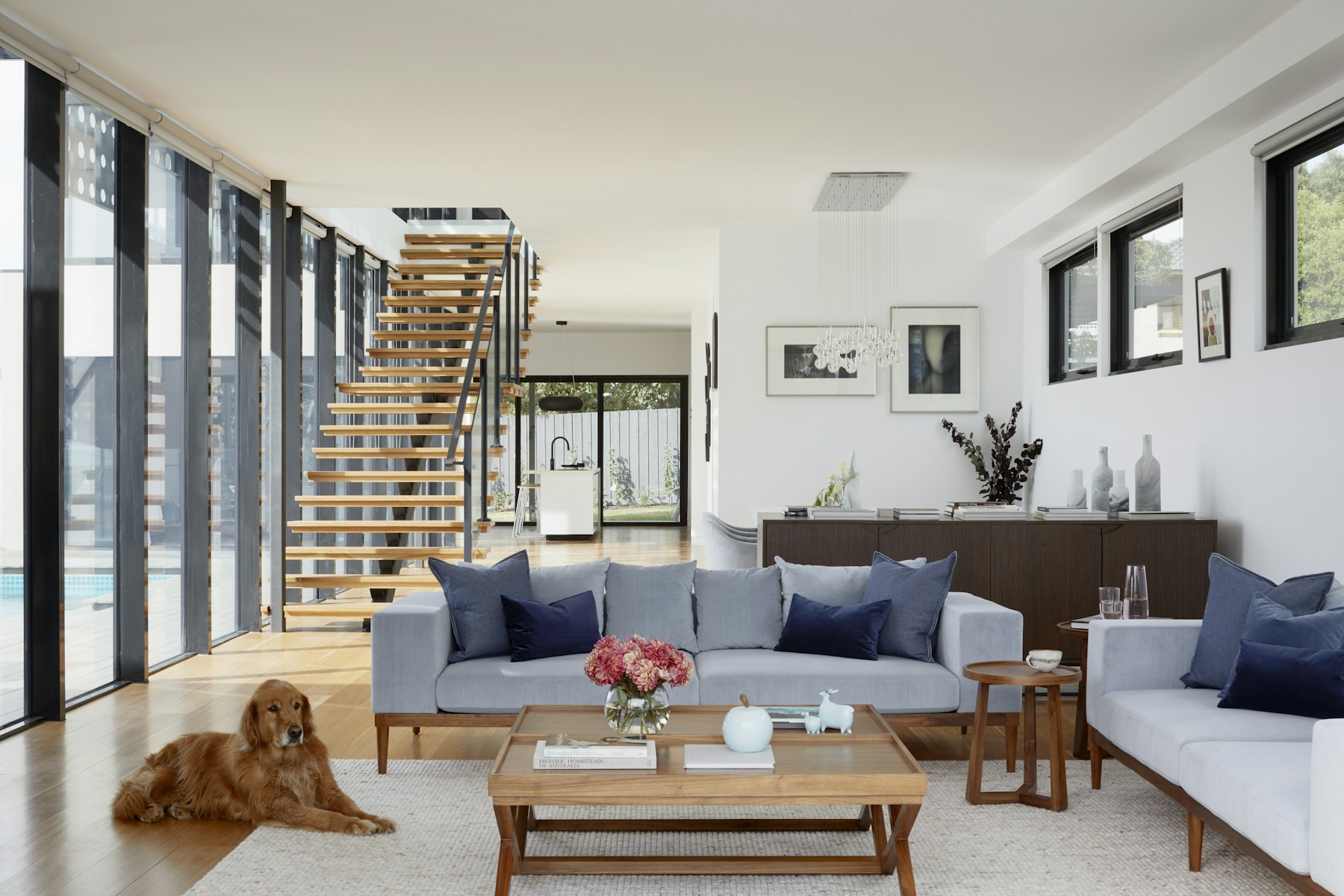
How To Choose Window Treatments
Choosing the right window treatments involves balancing privacy, light control, insulation, and your home's style. This guide will help you understand the options available and consider the practical needs of each room, ensuring you make a decision that works for real life. It's especially useful if you're renovating, redecorating, or moving into a new home in the UK.
Fast Answer
- Key Action: Match treatment to room function and window type
- First Step: Measure accurately and consider light/privacy needs
- Main Goal: Balance aesthetics with practical benefits like insulation and child safety
Before You Start
- Measuring Tape: A good quality metal tape measure for accuracy.
- Notepad and Pen: To record measurements and preferences.
- Camera or Smartphone: To photograph windows and room aesthetics for reference.
- Understanding of Room Function: Consider how each room is used throughout the day.
- Natural Light Assessment: Observe how much light each window receives and at what times.
- Privacy Needs Assessment: Determine how much privacy is required for each space.
Step-by-Step Instructions
1. Understand Your Room's Specific Needs
Before looking at any specific window treatment, think about what each room truly needs. This helps narrow down your choices significantly. Consider light control: do you need total darkness for a bedroom, diffused light for a living room, or minimal blockage for a view? For privacy, think about how overlooked your windows are during the day and night. For instance, ground-floor windows might need more privacy than those on a higher floor.
Insulation is another key factor in the UK. Windows are a major source of heat loss in winter and heat gain in summer. Some treatments offer excellent thermal properties. Finally, consider the room's function: a kitchen or bathroom might need moisture-resistant options, while a child's bedroom requires robust child safety features.
2. Measure Your Windows Accurately
Precise measurements are critical for any window treatment, whether you're buying ready-made or bespoke. Decide if you want your treatment to sit inside the window recess (known as 'recess fit') or outside the recess ('exact fit').
For recess fit: Measure the width at the top, middle, and bottom of the recess, and the drop (height) at the left, middle, and right. Use the smallest measurement for both width and drop. You'll usually be advised to deduct a small amount (e.g., 1cm) from the smallest measurement to ensure a snug, non-snagging fit. For exact fit: Measure the exact width and drop you want the treatment to cover. This typically means adding an overlap of at least 10-15cm on each side and above/below the window frame to prevent light leakage and improve insulation.
3. Explore Different Window Treatment Types
The UK market offers a wide range of options, each with unique benefits:
- Curtains: Offer softness, warmth, and a vast array of fabrics, colours, and patterns. They're excellent for insulation and can be lined for blackout or thermal properties. Consider heading styles like pencil pleat, eyelet, or wave. Curtains are often chosen for living rooms and bedrooms due to their aesthetic appeal.
-
Blinds: A versatile category.
- Roller Blinds: Simple, sleek, and come in various opacities (sheer, dim-out, blackout). Good for kitchens, bathrooms, and bedrooms.
- Roman Blinds: Offer the softness of fabric but fold up neatly. Provide a more luxurious feel than roller blinds, suitable for living rooms and dining areas.
- Venetian Blinds: Made of wood, faux wood, or aluminium, with horizontal slats that can be tilted to control light and privacy precisely. Great for offices, kitchens, or any room where flexible light control is needed.
- Vertical Blinds: Best for large windows or patio doors, with vertical slats that tilt and draw across. Common in conservatories or commercial settings.
- Pleated/Duette Blinds: Known for their honeycomb structure, providing excellent thermal insulation. Good for conservatories or windows where energy efficiency is a priority.
- Shutters: A premium, long-lasting option made from wood or MDF. They offer excellent light control, privacy, and insulation. Styles include café style (covering the bottom half), full height, or tier-on-tier (top and bottom open independently). Ideal for period properties or a classic, sophisticated look.
- Window Films: A less intrusive option for specific needs like privacy, UV protection, or solar glare reduction. Applied directly to the glass, they're often used in bathrooms or for overlooked windows.
4. Factor in Style, Colour, and Texture
Window treatments are a significant design element. Think about the overall style of your room: is it modern, traditional, minimalist, or eclectic? The treatment you choose should complement this. Colour can either blend seamlessly with your existing decor or provide a striking focal point. Light colours can make a room feel larger and brighter, while darker shades create a cosier, more intimate atmosphere.
Texture also plays a vital role. A heavy velvet curtain offers a different feel from a crisp linen Roman blind or a sleek aluminium Venetian. Consider how the material drapes, how it feels, and how it catches the light. Don't forget patterns – a bold pattern can add personality, but ensure it doesn't overwhelm the space.
5. Assess Practicalities and Maintenance
Think beyond just looks. How easy will your chosen window treatment be to live with? For high-traffic areas like kitchens or children's rooms, consider options that are easy to clean and durable. Faux wood Venetians or roller blinds are often practical choices for these spaces, as they can be wiped down.
Consider the operating mechanism. Do you prefer a manual cord, a chain, or a cordless spring system? For hard-to-reach windows, or for ultimate convenience, motorised blinds operated by remote control or a smart home system can be a game-changer. Also, think about longevity and how well the material will stand up to daily use and sunlight exposure.
6. Prioritise Child Safety in All Rooms
This cannot be overstated, particularly in homes with young children or pets. The UK has strict regulations (BS EN 13120) for the safety of blinds with cords. Any corded blind sold must come with appropriate safety devices, such as cleat hooks to keep cords out of reach, or breakaway connectors. However, the safest option is always to choose cordless or motorised blinds.
If you must have corded blinds, ensure all cords are kept well out of reach of children, secured with the provided safety devices, and regularly checked for wear and tear. Position furniture away from windows where cords might be accessible. This is a critical consideration for every room, not just children's bedrooms.
7. Set Your Budget and Consider Installation
Window treatments vary widely in price, from affordable ready-made options to high-end bespoke shutters or motorised systems. Have a clear budget in mind for each window. Ready-made curtains or roller blinds are generally the most economical choice. Roman blinds, wooden Venetians, and especially shutters represent a larger investment but offer greater durability and customisation.
Remember to factor in installation costs if you're not planning to fit them yourself. While many blinds and curtains are straightforward to install, some, like shutters, often require professional fitting for the best results. Getting multiple quotes for bespoke options or installation can help you compare prices and services effectively.
8. Make Your Final Decision
With all factors considered – room needs, measurements, type, style, practicalities, child safety, and budget – you are now ready to make your informed decision. Review your notes, look at your samples, and visualise the chosen treatment in your space. If you're still unsure, consider visiting a showroom to see the products in person and speak to experts. Sometimes seeing the item in a larger display can solidify your choice. Double-check all measurements before placing an order.
Common Problems When You Choose Window Treatments
Even with careful planning, issues can arise. Knowing common pitfalls can help you avoid them.
-
Incorrect Measurements: This is the most frequent problem. If measurements are wrong, blinds or curtains won't fit properly, leading to light gaps or an untidy appearance.
- Fix: Always measure three times, use the smallest measurement for recess fit, and understand the specific deductions or additions recommended by the supplier.
-
Ignoring Child Safety: Overlooking or improperly installing child safety devices for corded blinds can have severe consequences.
- Fix: Prioritise cordless or motorised options. If using corded, ensure all safety devices are fitted correctly and cords are secured out of reach. Regularly check for damage.
-
Underestimating Light or Privacy Needs: Choosing a treatment that doesn't block enough light for a bedroom or offers insufficient privacy for an overlooked window.
- Fix: Clearly define room needs (blackout, dim-out, sheer) before looking at products. Consider layering treatments for flexible light and privacy control.
-
Clashing Styles or Colours: Selecting a treatment that doesn't harmonise with the existing decor, making the room feel disjointed.
- Fix: Get samples and view them in your room's lighting. Consider the overall aesthetic and existing colour palette. When in doubt, neutral colours are often a safe bet.
-
Overlooking Maintenance: Choosing delicate or hard-to-clean fabrics for high-use or messy areas like kitchens.
- Fix: Match material choice to the room's function. Opt for wipeable, durable materials in kitchens, bathrooms, or children's playrooms.
Advanced Tips for Choosing Window Treatments
Once you're comfortable with the basics, consider these advanced strategies to enhance your window treatments' functionality and aesthetics.
- Layering for Ultimate Control: Combine different types of treatments. For example, a sheer voile curtain can offer daytime privacy while allowing light, backed by a heavier blackout curtain for night-time darkness and insulation. A Roman blind layered with side curtains offers both softness and superior light control.
- Motorisation and Smart Home Integration: For convenience and modern living, consider motorised blinds or curtains. These can be operated by remote control, wall switch, or integrated into a smart home system, allowing scheduling and voice control. This is particularly useful for large or hard-to-reach windows.
- Energy Efficiency Optimisation: Beyond basic insulation, look for specific features. Duette or honeycomb blinds are designed with air pockets for maximum thermal performance. Heavy, interlined curtains can significantly reduce heat loss. For south-facing windows, solar control films or blinds can help reduce heat gain in summer, lowering cooling costs.
- Customisation and Bespoke Options: If standard sizes or styles don't quite fit your vision, bespoke services offer endless possibilities. You can choose specific fabrics, unique heading styles, custom patterns, or treatments for unusually shaped windows. This ensures a perfect fit and a truly unique look, though it comes at a higher cost.
- Consider External Shading: For extreme sun or privacy, sometimes external solutions like awnings or exterior roller blinds can be more effective. They stop heat before it even reaches the glass, offering superior solar control and protection for your interior furnishings from UV damage.
How To Choose Window Treatments FAQ
What's the best window treatment for complete privacy?
For complete privacy, particularly at night, blackout roller blinds, full-height shutters, or heavy blackout-lined curtains are excellent choices. Venetian and vertical blinds also offer good privacy when their slats are closed.
Which window treatments offer the best insulation?
Duette or honeycomb blinds (with their cellular structure) provide excellent thermal insulation. Heavy, interlined curtains, especially when fitted with a good overlap, are also highly effective at reducing heat loss. Shutters add an extra layer of insulation.
Should I choose curtains or blinds for a living room?
It depends on your style and needs. Curtains offer softness, warmth, and can be a significant design statement. They are great for a traditional or cosy feel. Blinds (like Roman or Venetian) offer a neater, more contemporary look and often more precise light control. Many people combine both for layering benefits.
How do I measure for an outside recess (exact fit) blind or curtain?
For width, measure the exact distance you want the blind or curtain to cover, usually adding 10-15cm beyond the window frame on each side. For the drop, measure from where you want the top of the headrail or pole to sit, down to where you want the bottom of the treatment to finish (e.g., sill length, below sill, or floor length). Always use these exact measurements without deductions.
What window treatments are suitable for bathrooms and kitchens?
In these high-moisture areas, choose materials that are water-resistant and easy to clean. Faux wood Venetian blinds, PVC or waterproof roller blinds, and aluminium Venetian blinds are excellent choices. These materials won't warp, crack, or grow mould in humid conditions. Avoid real wood or delicate fabrics unless adequately treated.
Quick Reference
| Situation | Use this | Why |
|---|---|---|
| Bedroom, total darkness needed | Blackout Roller Blinds or Blackout-Lined Curtains | Blocks almost all light, aids sleep. |
| Living Room, flexible light/privacy | Venetian Blinds, or Layered Curtains (sheer + heavy) | Slats offer precise control; layering provides options. |
| Kitchen or Bathroom, high moisture | Faux Wood Venetian Blinds or Waterproof Roller Blinds | Resistant to humidity, easy to clean, won't warp. |
| Child's Room, safety priority | Cordless or Motorised Blinds/Curtains | Eliminates strangulation hazards from cords. |
| Conservatory, heat/glare reduction | Duette/Honeycomb Blinds or Solar Control Film | Excellent thermal properties, reduces heat build-up. |
| Period Property, classic look | Wooden Shutters or Roman Blinds | Adds traditional elegance and architectural interest. |
Final Checklist for How To Choose Window Treatments
Before finalising your decision, run through this quick checklist to ensure you've covered all bases:
- Room Needs Defined: Have you clearly identified the specific requirements for light, privacy, and insulation for each room?
- Measurements Verified: Are all your window measurements accurate and double-checked according to the chosen fitting type (recess or exact)?
- Treatment Type Selected: Have you chosen a treatment type that aligns with your functional needs and aesthetic preferences?
- Style & Colour Assessed: Does the chosen style, colour, and texture complement your room's existing decor? (Samples viewed in situ?)
- Practicalities Considered: Is the treatment easy to operate and maintain for its intended location and use?
- Child Safety Ensured: Have you prioritised cordless or motorised options, or ensured all corded blinds meet UK safety regulations and devices are installed?
- Budget Adhered To: Does your choice fit within your allocated budget, including any potential installation costs?
- Supplier Details Checked: Are you clear on delivery times, warranty, and returns policy with your chosen supplier?
By following these steps and considering all factors, you'll be well-equipped to choose window treatments that enhance your home's comfort, style, and functionality for years to come.