How To Choose An Armchair
A practical step-by-step guide to how to choose an armchair, including preparation, instructions, common issues, tips, and next steps.
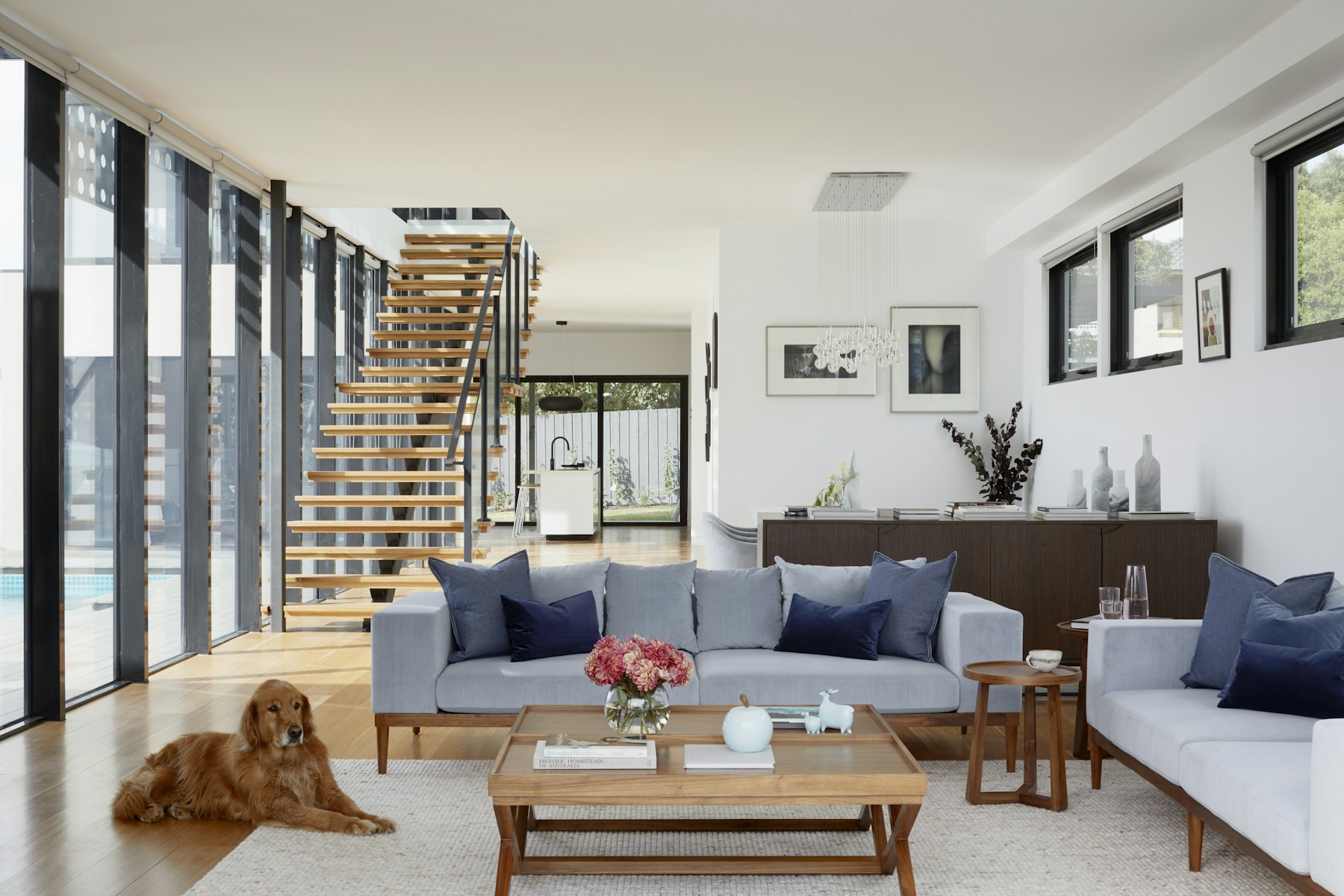
How To Choose An Armchair
Choosing the right armchair can transform a room, offering comfort, style, and a dedicated spot for relaxation. This guide walks you through the essential steps, from measuring your space and defining its purpose to evaluating construction and testing for comfort. By following these practical tips, you'll be well-equipped to select an armchair that perfectly suits your home and lifestyle without costly mistakes.
Fast Answer
- Measure Space: Crucial for fit and access
- Define Purpose: Guides style, comfort, and features
- Test Comfort: Always sit in it before buying
- Check Quality: Solid frame and durable upholstery
Before You Start
- Tape Measure: Essential for accurate room and access measurements.
- Paper and Pen: To sketch your room layout and note down dimensions and preferences.
- Floor Plan or Sketch: A simple drawing of your room helps visualise where the armchair will sit.
- List of Needs: Think about how you'll use the armchair (e.g., reading, relaxing, watching TV).
- Camera/Smartphone: Useful for taking pictures of your existing decor to reference later.
- Helper: An extra pair of hands can make measuring easier and provide a second opinion.
Step-by-Step Instructions
1. Measure Your Space Accurately
Before you even think about styles or colours, grab your tape measure. Start by measuring the exact spot where you plan to put your armchair. Note down the width, depth (how far it comes out from the wall), and height (if it's going under a window or near a shelf). Think about how much space you need around it for walking or for other furniture like a side table. Don't forget to measure the path the armchair will take to get into the room – this includes doorways, hallways, and stairwells. Note the narrowest points, as this will determine if a chosen armchair can actually make it into your home.
2. Define the Armchair's Purpose and Your Comfort Needs
An armchair isn't just a chair; it serves a specific role in your home. Ask yourself: What will I primarily use this armchair for? Will it be a cosy reading nook, an extra seat for guests, a spot for watching TV, or simply a decorative accent? Your answer will guide your choices. For reading, you might want a high back and good lumbar support. For lounging, a deeper seat and softer cushions might be better. Consider how many hours a day you expect to spend in it. This helps you prioritise comfort over pure aesthetics if needed.
3. Choose a Style that Complements Your Decor
Armchairs come in a vast array of styles, from classic to contemporary. Consider the existing style of your room and other furniture. Do you have a modern, minimalist look, or a more traditional, rustic feel? Look at the lines, shapes, and overall design. For instance, a sleek leather armchair might suit a modern space, while a floral fabric armchair with rolled arms would fit a country cottage theme. Don't be afraid to choose an armchair that adds a pop of colour or a contrasting texture, but ensure it doesn't clash with your current scheme. A good armchair should enhance, not detract from, your room's overall aesthetic.
4. Evaluate Construction, Frame, and Suspension
The internal structure of an armchair dictates its durability and longevity. A robust frame is crucial. Look for frames made from kiln-dried hardwood like oak, beech, or birch. These are less likely to warp or crack over time. Avoid softwoods like pine for key structural elements, as they are less sturdy. Joints should be secured with dowels, screws, and glue – not just staples. Next, consider the suspension system, which supports the cushions. Eight-way hand-tied springs offer excellent support and durability, but are often more expensive. Sinuous springs (S-shaped wires) are a good mid-range option, while webbing (straps of material) is typically found in less expensive models and may sag faster.
5. Select Upholstery and Filling Materials
The upholstery fabric not only defines the look but also impacts durability, cleanability, and feel. Consider your lifestyle:
- For homes with pets or children: Look for durable, stain-resistant fabrics like microfibre, tightly woven synthetics, or even leather (which is easy to wipe clean).
- For a luxurious feel: Velvet, chenille, or high-quality wool blends offer softness and richness.
- For breathability: Cotton or linen are natural options, though they may wrinkle more easily.
6. Test for Comfort and Fit in Person
You wouldn't buy shoes without trying them on, and the same goes for an armchair. Visit a showroom and sit in potential armchairs for at least 5-10 minutes.
- Seat Depth: Can you sit with your back against the cushion and your feet flat on the floor? Or are your knees hitting the edge, or your feet dangling?
- Back Support: Does it support your lower back comfortably? Is the headrest at the right height if you need it?
- Arm Height: Are the arms comfortable for resting your elbows? Too high or too low can be awkward.
- Overall Feel: Does it feel too soft or too firm? Can you get in and out of it easily?
7. Set Your Budget and Understand Warranties/Returns
Armchairs vary widely in price based on materials, construction, and brand. Determine a realistic budget before you start shopping to help narrow your choices. Remember to factor in delivery costs, which can sometimes be significant for larger items. Once you've found a contender, always check the manufacturer's warranty. A good warranty covers frame defects for at least 5-10 years. Also, understand the retailer's return policy. What happens if the armchair doesn't fit through your door, or if you simply change your mind? Knowing these details upfront can save a lot of hassle and expense.
Quick Reference
| Situation | Consider This | Why |
|---|---|---|
| Small room | Compact armchair, armless design | Maximises space, less visual clutter |
| Daily use / Reading | High back, firm cushions, good lumbar support | Provides ergonomic comfort for longer periods |
| Pets or young children | Durable, stain-resistant fabrics (e.g., microfibre, leather) | Easier to clean, more resistant to wear and tear |
| Occasional accent piece | Statement colour, unique shape, luxurious fabric | Adds visual interest without needing extreme durability |
| Matching existing furniture | Complementary colours, similar leg styles, consistent height | Creates a cohesive, well-designed look |
Common Problems When You Choose An Armchair
- Armchair is too big for the room:
Fix: This is why measuring accurately and using masking tape on the floor is critical. If you've already bought it, consider if it can be moved to another room. Otherwise, a return or resale might be the only option.
- Armchair is uncomfortable after a few days:
Fix: Often due to not testing it enough in the store. Try adding supportive cushions (lumbar, neck) or a soft throw. Some retailers offer a comfort guarantee, so check your return policy. If not, consider selling it or re-upholstering the cushions if the frame is good quality.
- Fabric gets dirty quickly or stains easily:
Fix: This usually means the fabric wasn't suitable for your lifestyle. For minor stains, follow manufacturer cleaning instructions immediately. For persistent issues, consider professional upholstery cleaning or investing in slipcovers for protection.
- Armchair doesn't match existing decor:
Fix: If the style or colour clashes, try to tie it in with other elements. Add cushions or a throw in colours that bridge the gap between the armchair and your existing decor. A rug can also help unify the space. If it's a major mismatch, a return (if possible) or selling might be needed.
- Delivery issues – armchair won't fit through the door:
Fix: This is a result of not measuring access routes. If the armchair is modular, it might be disassembled. Otherwise, check if a window delivery is an option (though costly) or if the retailer offers assistance. In the worst case, you might have to return it, incurring fees.
Advanced Tips for How To Choose An Armchair
- Consider Ergonomics for Specific Needs: If you have back issues or spend long hours in the armchair, look for models designed with ergonomic support. Features like adjustable headrests, built-in lumbar support, and recline functions can make a huge difference to long-term comfort and health.
- Think About Sustainability: For an eco-conscious choice, look for armchairs made with FSC-certified wood (ensuring responsible forestry), recycled materials, or natural fibres. Inquire about the production process and the use of chemical-free finishes. Durability is also a key aspect of sustainability; a well-made armchair that lasts longer means less waste.
- Future-Proof Your Choice: Opt for a classic design and neutral upholstery if you plan to keep the armchair for many years. Trends come and go, but timeless pieces remain stylish. You can always update the look with throws and cushions. Also, consider if the cushions are reversible or if the covers are removable and washable, which extends their life.
- Explore Customisation Options: Many furniture retailers offer customisation for fabrics, leg finishes, and even cushion fillings. This allows you to create an armchair that perfectly matches your vision and specific comfort needs, though it often comes at a higher price and with longer lead times.
- Leverage Professional Help: If you're struggling to make a decision or have a complex space, consider consulting an interior designer. They can offer expert advice on style, scale, and function, helping you find an armchair that truly elevates your room.
How To Choose An Armchair FAQ
- How often should I clean my armchair?
This depends on the fabric and how much use it gets. As a general rule, vacuum fabric armchairs weekly to remove dust and crumbs. For spills, clean immediately according to the fabric care instructions. For a deeper clean, consider professional upholstery cleaning every 12-18 months, especially in busy households.
- What's the best armchair fabric for homes with pets?
For pets, consider durable, tightly woven fabrics like microfibre, canvas, or synthetic blends that are resistant to snags and easy to clean. Leather is also a good option as pet hair doesn't cling to it and it's easy to wipe down, though it can scratch. Avoid delicate fabrics like silk or loose weaves.
- Does my armchair have to match my sofa?
Not at all! In fact, mixing and matching can add depth and interest to a room. Instead of an exact match, aim for complementary styles, colours, or textures. For example, if your sofa is a plain neutral, a patterned or brightly coloured armchair can act as a fantastic accent piece.
- How long should a good quality armchair last?
A well-constructed armchair with a solid hardwood frame and quality upholstery should last anywhere from 10 to 20 years or even longer. Less expensive armchairs with softwood frames or synthetic webbing might only last 5-10 years before showing significant wear or sagging.
- Can I buy an armchair online without trying it first?
While possible, it carries risks. If you do, ensure you have measured meticulously and fully understand the retailer's return policy, including any restocking fees or return shipping costs. Reading customer reviews, especially those mentioning comfort, is also helpful. Some online stores offer fabric swatches, which is a good idea before buying.
Final Checklist for How To Choose An Armchair
- ✔️ Have I accurately measured the space where the armchair will go?
- ✔️ Have I measured all delivery access points (doorways, hallways, stairs)?
- ✔️ Is the primary purpose of the armchair clearly defined (e.g., reading, accent)?
- ✔️ Does the style of the armchair complement my existing decor?
- ✔️ Have I checked the construction for a solid hardwood frame and good suspension?
- ✔️ Is the upholstery fabric suitable for my lifestyle (durability, cleanability)?
- ✔️ Have I physically sat in the armchair for at least 5-10 minutes to test comfort?
- ✔️ Is the seat depth, back support, and arm height comfortable for me?
- ✔️ Is the armchair within my set budget, including delivery costs?
- ✔️ Do I understand the warranty and the retailer's return policy?
What should I check before acting on advice about how to choose an armchair?
Use this guide as a starting point, compare current specifications and costs, and check the details that apply to your own situation before making a purchase or booking.
Where can I find related materials-finishes guidance?
Browse the related guides in this section for practical comparisons, planning notes, and next steps that support the same decision.